Close Menu
 World
 Biography
 Health
 Education
 Business
 Lifestyle
 Sports
 Technology
 Animals
 History
 Food
 Religious
 Startups
 Movies
 Politics
 Fashion
 Covid
 Diet
 Fitness
 Marketing
 Travel
 Science
 Reviews
 Social media
 Stories
 Facts
 Art
 Entertainment
Rajan

Health
How Do Doctors Manage Gallbladder Surgery When Stones Are Present in the Bile Duct?
 Rajan
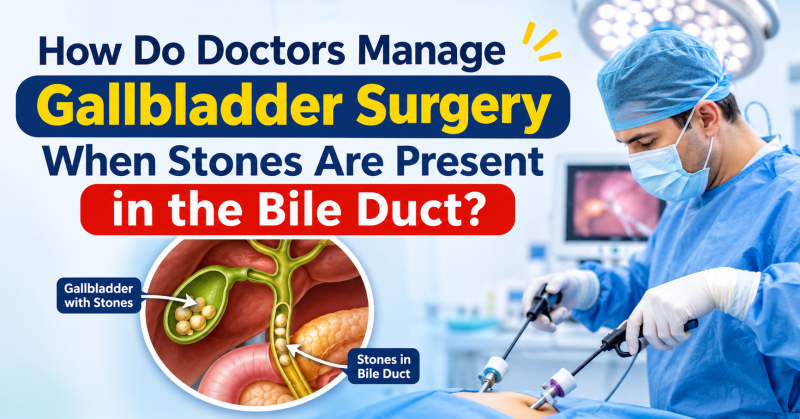
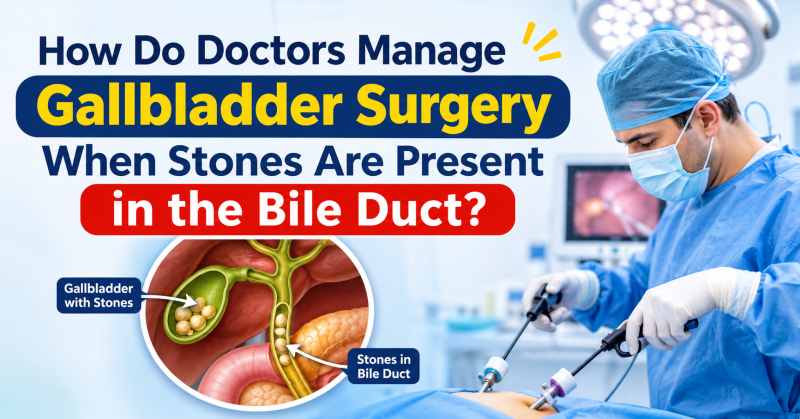
Most people who need gallbladder surgery have stones sitting inside the gallbladder itself. But in some patients, a stone escapes and lodges in the bile duct, the narrow tube that carries bile to the intestine. This changes the treatment plan, because removing the gallbladder alone no longer solves the problem.
If you have been told that you have "stones in the duct" along with gallbladder stones, this guide explains how doctors confirm it, the main ways it is treated, and what to ask before surgery. Whether you are searching for the best gallbladder removal surgery in Rajinder Nagar or comparing options across Central Delhi, understanding the process helps you make calmer, better-informed decisions.
Gallbladder Stones vs Bile Duct Stones: What Is the Difference?
The gallbladder is a small pouch under the liver that stores bile. Stones that form here are called gallstones. When a stone moves out into the common bile duct, it is called choledocholithiasis.
This matters because a duct stone can block the flow of bile and sometimes the pancreatic juices too. Possible consequences include:
- jaundice (yellow eyes or skin)
- infection of the bile duct (cholangitis)
- inflammation of the pancreas (gallstone pancreatitis)
These are the reasons doctors take duct stones seriously, even when pain has settled.
Symptoms That Raise Suspicion of a Duct Stone
Gallbladder stones often cause pain in the upper right abdomen after fatty meals. A bile duct stone may add:
- yellowing of the eyes or skin
- dark urine and pale stools
- fever or chills
- persistent itching
- severe upper abdominal pain radiating to the back, sometimes with vomiting
Some duct stones cause no symptoms at all and are found only on tests, so doctors look for clues in blood reports and imaging before surgery.
Treatment Options: Clearing the Duct and Removing the Gallbladder
Two jobs need to be done: clear the stones from the duct, and remove the gallbladder so that more stones do not travel down later. How these are combined depends on the patient's condition and the hospital's expertise. The commonly used approaches are:
1. ERCP followed by laparoscopic gallbladder removal
In ERCP (endoscopic retrograde cholangiopancreatography), a flexible endoscope is passed through the mouth to the opening of the bile duct, and the stones are removed or a stent is placed. Laparoscopic cholecystectomy (keyhole gallbladder removal) is then performed, usually in a planned sequence. This is a widely used approach, particularly for patients with jaundice, infection or pancreatitis.
2. Laparoscopic gallbladder removal with common bile duct exploration
The surgeon removes the gallbladder and clears the duct during the same keyhole operation, either through the cystic duct or by opening the common bile duct. This can mean a single procedure and a single anaesthetic, but it needs specific laparoscopic skills and equipment, so it is not offered everywhere.
3. Gallbladder removal first, ERCP afterwards
In selected cases, the duct is cleared after surgery if stones are found or suspected.
4. Open surgery
Rarely needed today, this is reserved for situations where the keyhole approach is unsafe or not possible, such as severe scarring, major bleeding or difficult anatomy.
Guidelines and studies suggest that these strategies can be similarly effective in suitable patients, so the best choice is individualised rather than fixed.
Urgent Situations Need a Different Plan
If a patient arrives with fever, jaundice and severe pain (suggesting cholangitis), the first priority is usually antibiotics, fluids and urgent drainage of the duct, often by ERCP. Gallbladder removal is planned once the infection is controlled. Delay in such cases can be dangerous, so do not treat these symptoms as ordinary acidity or gas.
Risks Worth Knowing About
Every procedure carries some risk, and a good surgeon discusses these openly:
- ERCP: pancreatitis, bleeding, infection or, rarely, injury to the duct or intestine
- Laparoscopic cholecystectomy: bleeding, wound infection, bile leak, or bile duct injury, which is uncommon but serious
- Duct exploration: bile leak or retained stones
- General anaesthesia risks: higher in patients with other medical conditions
Careful imaging, correct patient selection and surgeon experience all help reduce these risks.
Recovery: What to Expect
Recovery depends on the route taken, but in general:
- Keyhole gallbladder surgery often allows discharge within a day or two when uncomplicated.
- After ERCP, a short observation period is typical because of the risk of pancreatitis.
- Most patients resume light activity in a week or so, with heavier exertion delayed as advised.
- A low-fat, easily digestible diet is usually recommended at first, then gradually widened.
- Some people notice looser stools for a few weeks.
Contact your doctor promptly for fever, yellowing of the eyes, worsening abdominal pain, repeated vomiting or wound discharge.
Choosing the Right Surgeon When the Case Is More Complex
Because bile duct stones can involve both endoscopic and surgical decisions, coordination between the surgeon, gastroenterologist and radiologist matters. Before your operation, ask:
- Will the duct be cleared before, during or after gallbladder removal, and why?
- Is ERCP available at the hospital if it is needed?
- What happens if stones are found unexpectedly during surgery?
- How will complications be recognised and managed?
Patients in Central Delhi often prefer experienced care close to home. Dr. Tarun Mittal, a laparoscopic surgeon with more than 20 years of experience at Sir Ganga Ram Hospital, consults at Old Rajendra Nagar, New Delhi, and sees patients with gallbladder stones and related conditions. A consultation helps you understand your reports, the treatment sequence that suits your case, and what recovery will look like for you.
Conclusion
Stones in the bile duct make gallbladder surgery a two-part problem: the duct must be cleared and the gallbladder removed. Modern care offers more than one safe route, and the right one depends on your symptoms, test results and overall health. Do not ignore jaundice, fever or severe upper abdominal pain, as these call for urgent attention. A clear diagnosis, an experienced team and honest discussion of options give you the best chance of a smooth recovery.
This article is for general education and does not replace personal medical advice. Please consult a qualified surgeon about your specific condition.
Frequently Asked Questions
1. Can gallbladder surgery be done if there are stones in the bile duct?
Yes. The duct stones are usually cleared by ERCP or by duct exploration during surgery, and the gallbladder is removed laparoscopically in most suitable patients.
2. Will the bile duct stone dissolve on its own?
Small stones sometimes pass into the intestine unnoticed, but this cannot be predicted, and waiting risks jaundice, infection or pancreatitis. Doctors generally recommend treating a confirmed duct stone.
3. Does removing the gallbladder prevent duct stones from coming back?
It greatly reduces the source of new stones, since most duct stones originate in the gallbladder. However, stones can occasionally form in the duct itself, so follow-up advice still matters.
4. How do I find the best gallbladder removal surgery in Delhi for a complicated case?
Rather than relying on rankings, look for a surgeon who explains the plan clearly, works in a hospital with endoscopy and imaging support, and discusses risks honestly. Experience with both routine and complex gallbladder cases is worth asking about.
5. Is gallbladder removal at Sir Ganga Ram Hospital suitable for bile duct stones?
Whether a hospital suits your case depends on its facilities and your condition. Patients searching for gallbladder removal surgery in Sir Ganga Ram Hospital should ask about ERCP availability, surgical expertise and the follow-up plan during their consultation.
Source:
Click for the: Full Story
You might like